
Global Health in Decline
According to the World Health Organization (WHO), over 40% of all men and women (2.2 billion people) are now overweight or obese, and more than 2 billion do not get enough essential nutrients daily. Chronic diseases like obesity, diabetes, and heart conditions are rising globally – many of them are preventable through better diet and exercise.
(Source: WHO Global Nutrition Report 2021)
What Does Good Health Mean?
Being healthy is not just about avoiding illness – it’s about having enough energy, mental clarity and physical strength to live fully.
Key components of good health include:
+ Regular exercise (cardio, strength training or gym workouts 3–5 times per week)
+ Balanced nutrition (rich in both macro and micronutrients)
+ Adequate sleep
+ Proper hydration
+ Effective stress management
Training Hard? Then Eat Smart.
Exercise alone won’t keep you healthy if your nutrition is lacking. Think of food as fuel – what you eat directly impacts how your body recovers, builds muscle and maintains energy levels throughout the day.
What Should You Eat – and How Much?
While individual needs vary, here are general daily intake guidelines for the average adult:
- Calories: 2,000 – 2,500 kcal (depends on by gender, age and activity level)
- Protein: 0.8g – 1.6g per kg of body weight (Source: National Academy of Medicine)
- Carbs: 45 – 65% of total daily calories
- Fats: 20 – 35% of total daily calories
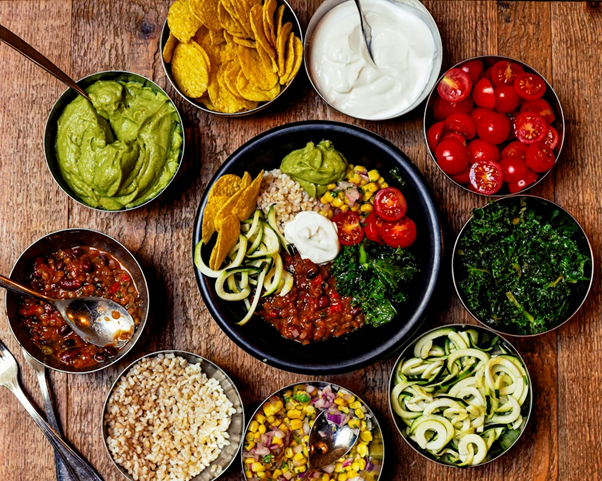
- Include: + Whole grains + Fruits & vegetables (at least 400g/day) + Lean proteins (tofu, beans, chicken, fish) + Healthy fats (avocados, nuts, seeds, olive oil)

How To Know Your Calories You Need For 1 Day
Step 1: Calculate BMR (Basal Metabolic Rate)
Use the Mifflin-St Jeor Equation to estimate how many calories your body needs at rest.
For Men:
BMR = 66 + (6.23 × weight in lbs) + (12.7 × height in inches) – (6.8 × age)
For Women:
BMR = 655 + (4.35 × weight in lbs) + (4.7 × height in inches) – (4.7 × age)
Step 2: Multiply by Activity Level to Get TDEE (Total Daily Energy Expenditure)
Activity Levels:
+ Sedentary (little or no exercise): 1.2
+ Lightly active (1–2 days/week): 1.375
+ Moderately active (3–5 days/week); 1.55
+ Very active (6–7 days/week): 1.725
+ Extra active (hard training or physical job): 1.9
TDEE = BMR × Activity Level
(Source: Mifflin MD, St Jeor ST. A new predictive equation for resting energy expenditure in healthy individuals. Am J Clin Nutr, 1990 and USDA Dietary Guidelines: https://www.dietaryguidelines.gov)

Skip Meals, Miss Nutrients – Face the Risks
Skipping meals or under-eating doesn’t just leave you hungry. It can seriously impact your health.
Potential Risks Include:
Fatigue
+ Muscle loss
+ Poor concentration
+ Weakened immune system
+ Hormonal imbalances
+ Long-term effects? Increased risk of chronic illness and mental health issues.
Fix It: Eat Smart, Move More, Live Better
+ Take simple, effective steps to protect your health
+ Plan your meals in advance
+ Never skip breakfast – it sets the tone for your day
+ Keep protein-rich snacks on hand
+ Stay hydrated throughout the day
+ Pair workouts with a diet focused on recovery and energy
+ Consult a nutritionist for personalized guidance
Your health is your biggest asset. Start small, stay consistent – and fuel your best self – every single day.